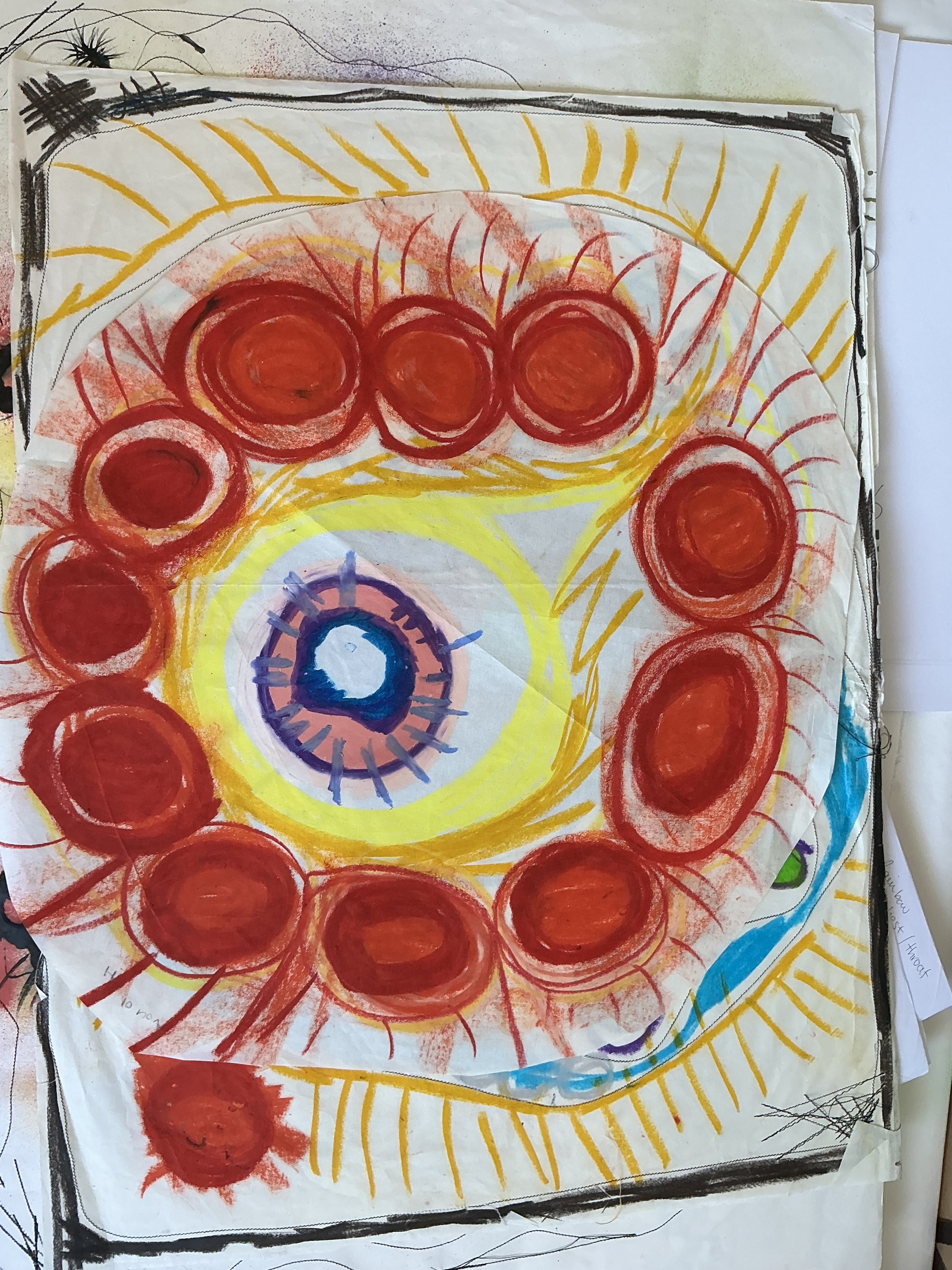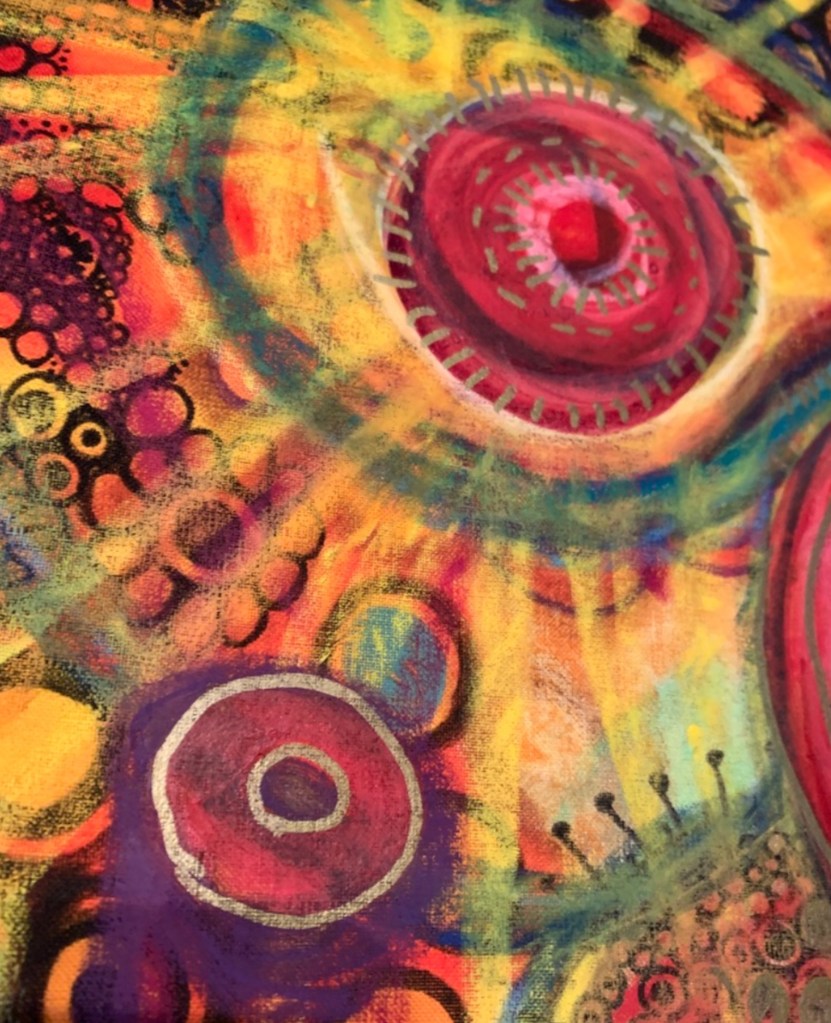
I am an HCPC‑registered Art Therapist with an MA in Art Therapy, working throughout Merseyside and Cheshire. Over the past thirty years I have supported children, young people, and adults in schools, colleges, and community projects across Chester and the Wirral. My background in Fine Art, along with a Masters in Art Therapy, and extensive experience with autistic and neurodiverse individuals, has shaped my intuitive, sensory, and inclusive approach. Developing sensory art sessions with hard‑to‑reach clients led me naturally into somatic art therapy, where body‑based awareness and creative expression come together to support emotional regulation and wellbeing. I specialise in childhood trauma, attachment and somatic based art therapy. I am passionate about providing a safe, creative space where people can explore, express, and make sense of their inner world.
Who looks outside dreams; who looks inside awakes -Jung
What Is Art Therapy?
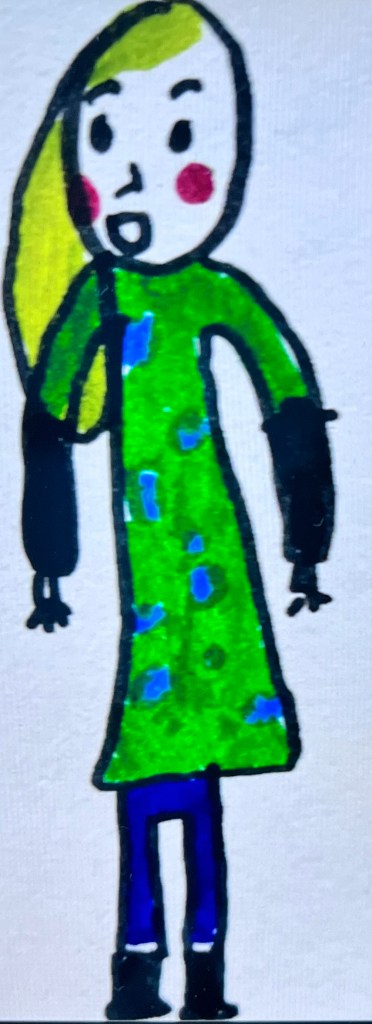
Art therapy is a form of psychotherapy that uses art materials as a primary mode of expression. Alongside talking with an art therapist. Art Therapy is for all ages and abilities from children right up to older adults.
It’s not about creating masterpieces. It is about creating space. A space where emotions can be explored without the pressure of words, where trauma can be processed through colour, texture, and movement, and where healing begins not with explanation, but with expression.
Art therapists use materials like paint, clay, collage, and even natural objects to help individuals externalise what is internal. This is especially powerful for those who are non-verbal, neurodivergent, or navigating complex emotional landscapes. Whether it is a child working through early trauma, an adult facing addiction, or an older person coping with loss, art therapy offers a language beyond language.
It is not arts and crafts. It is a clinically regulated profession, requiring master’s-level education and registration with the Health and Care Professions Council. This ensures ethical practice, ongoing supervision, and a therapeutic relationship grounded in safety and trust.
What can art therapy help with?
Childhood trauma, life shifts, disabilities, addictions, mental health difficulties, anxiety and depression.
Art Therapists work in schools, hospitals, hospices, social services, and private clinics. In group sessions or 1:1 that can be in person or online. Art Therapists are an emotionally available adult, who will listen without judgment, and to support expression in whatever form it takes.
I invite you to consider how an art therapist might complement your own practice. Whether you are a teacher, nurse, psychologist, or social worker, the integration of creative expression can deepen your connection with those you serve—and offer new pathways to healing.
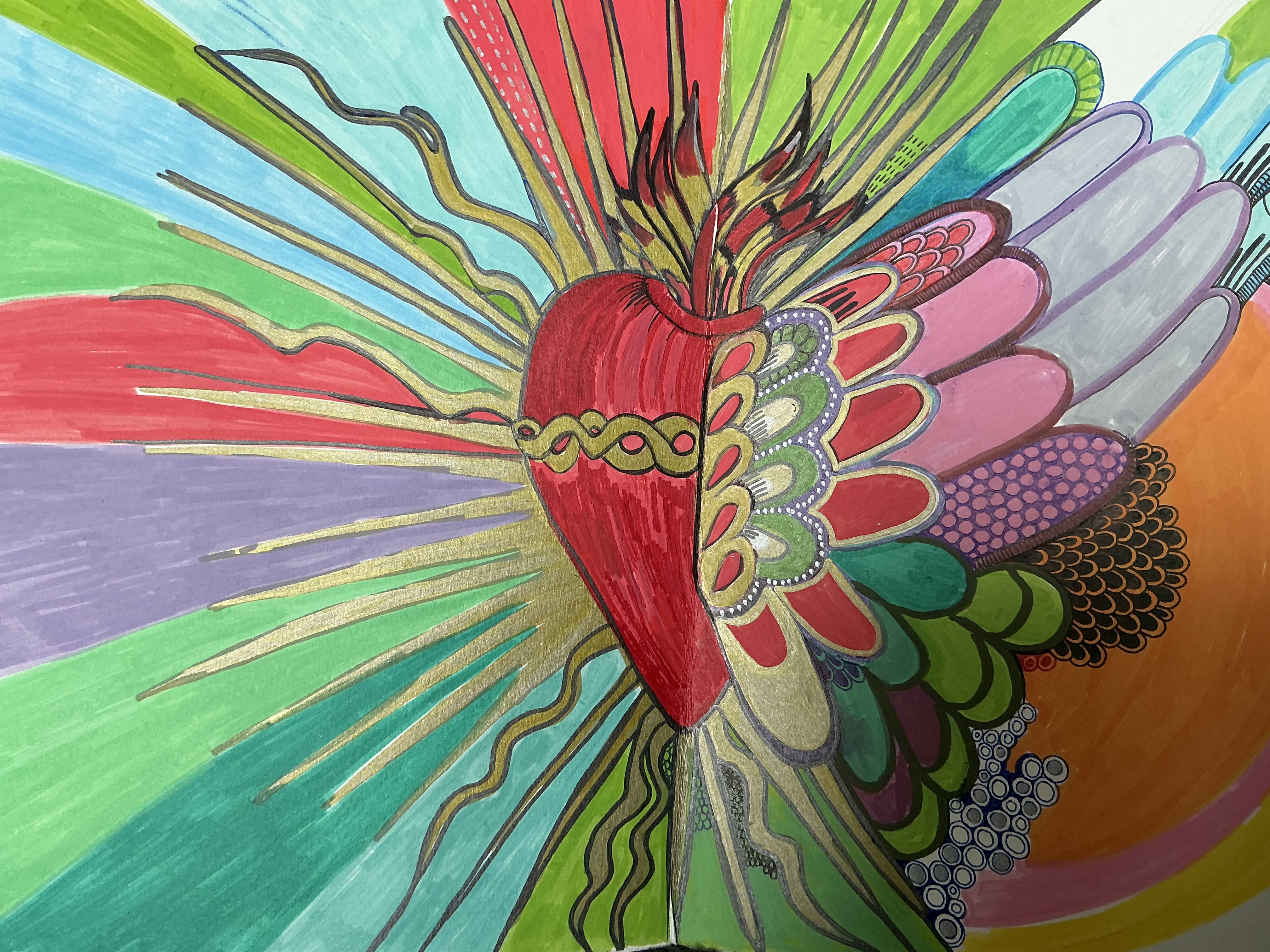
Art Therapy Services Provided
Individual art therapy – sessions using art materials to help children process, express and manage difficult feelings such as loss, grief, anger and anxiety.
Family/Dyadic Therapy– For children and their parents/adopted parents.
Group Sessions – small group work provides therapeutic support for young children, parents and carers.
Somatic Art Therapy
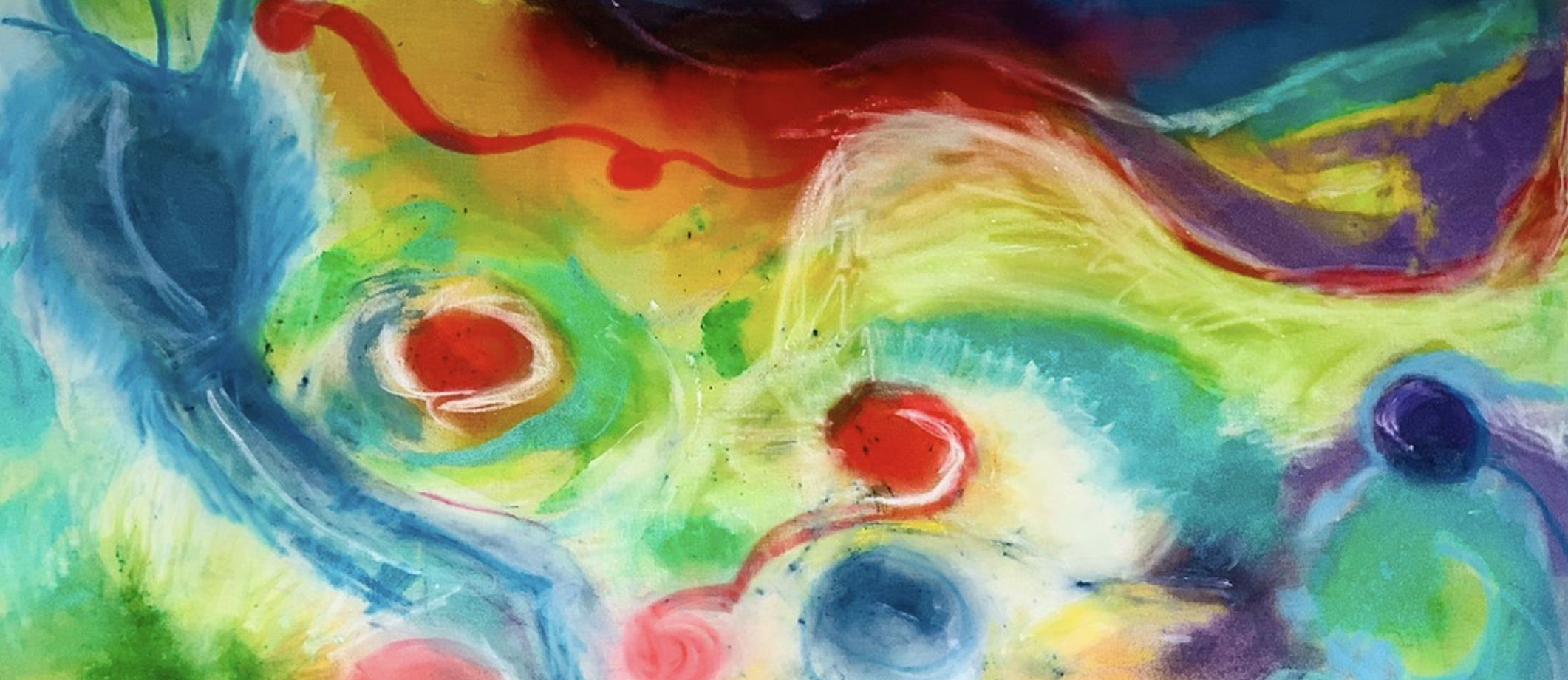
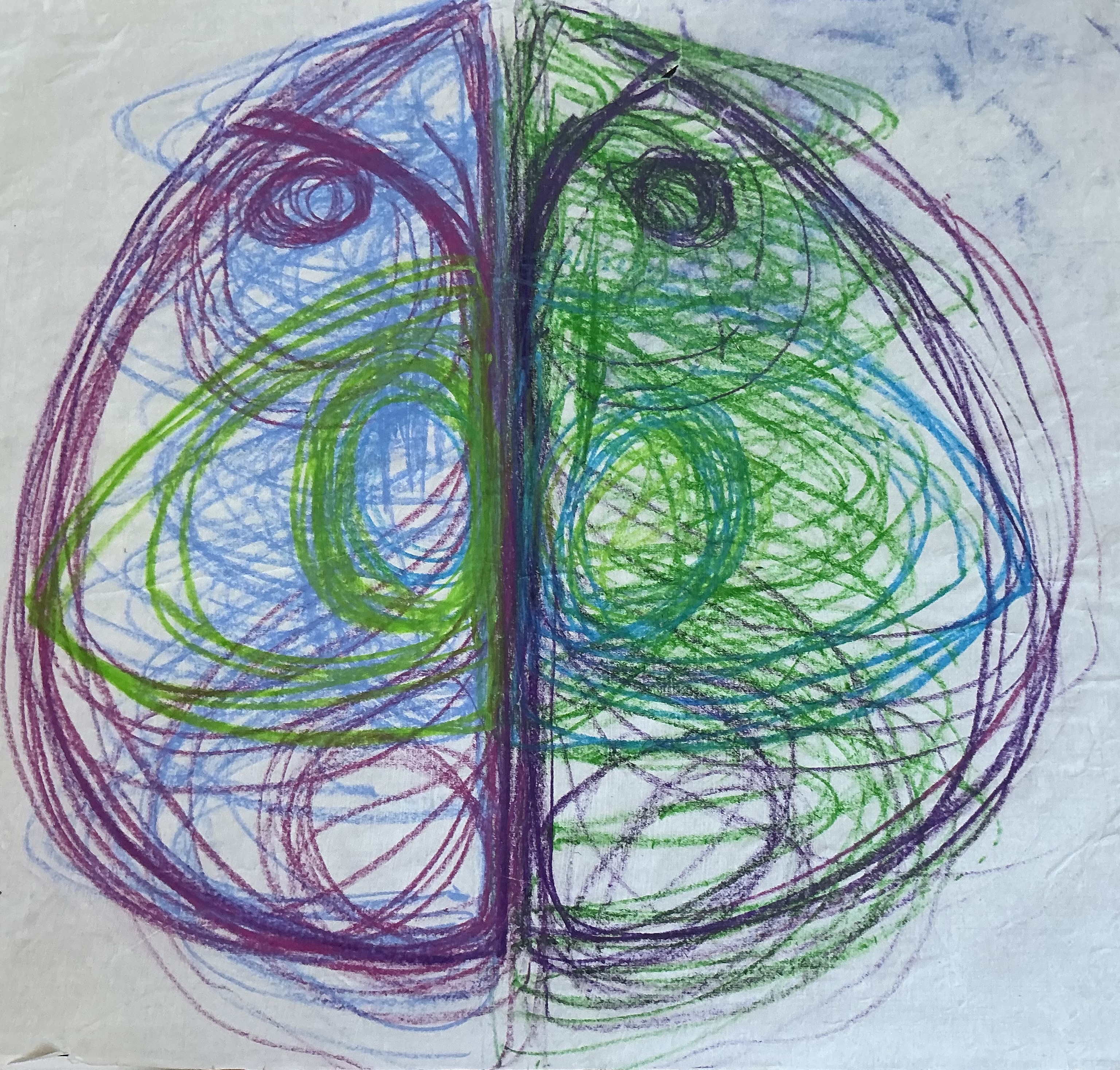
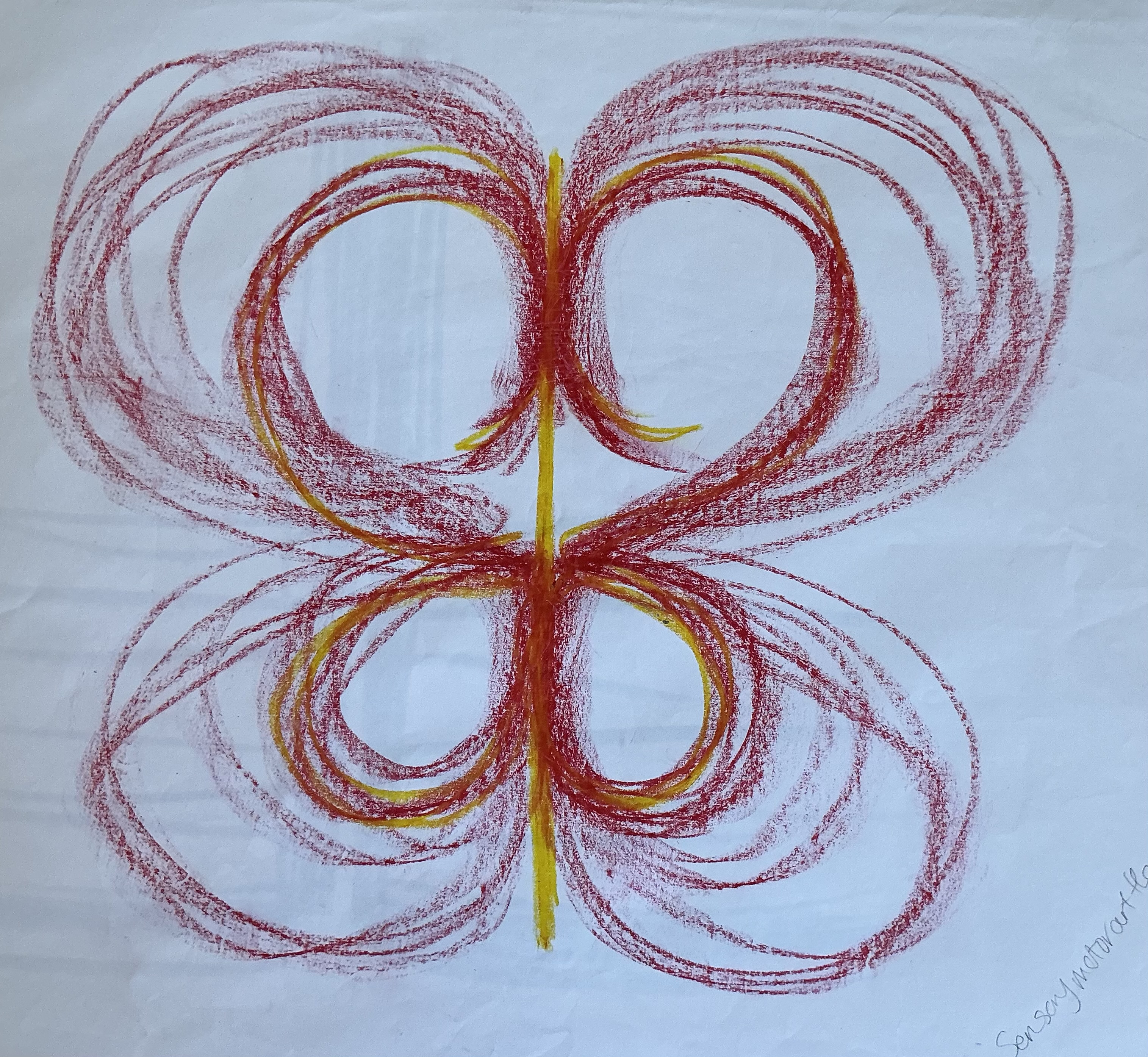
Somatic art therapy integrates body-based awareness with art-making to help people access, express, and transform experiences that are held not just in the mind, but in the body. It recognises that: The body stores emotional and sensory memories. Creative processes can bypass cognitive defences. Movement, gesture, texture and sensory engagement can reveal what words cannot.
What can it help with?
- Stress and burnout
- Anxiety
- Trauma recovery
- Body mind reconnection
- self-expression when words are limited
Somatic art therapy taps into:
- nonverbal processing – emotions that don’t have words
- Embodied awareness– noticing subtle internal cues
- symbolic expression– making the invisible visible
The body stores emotional and sensory memories
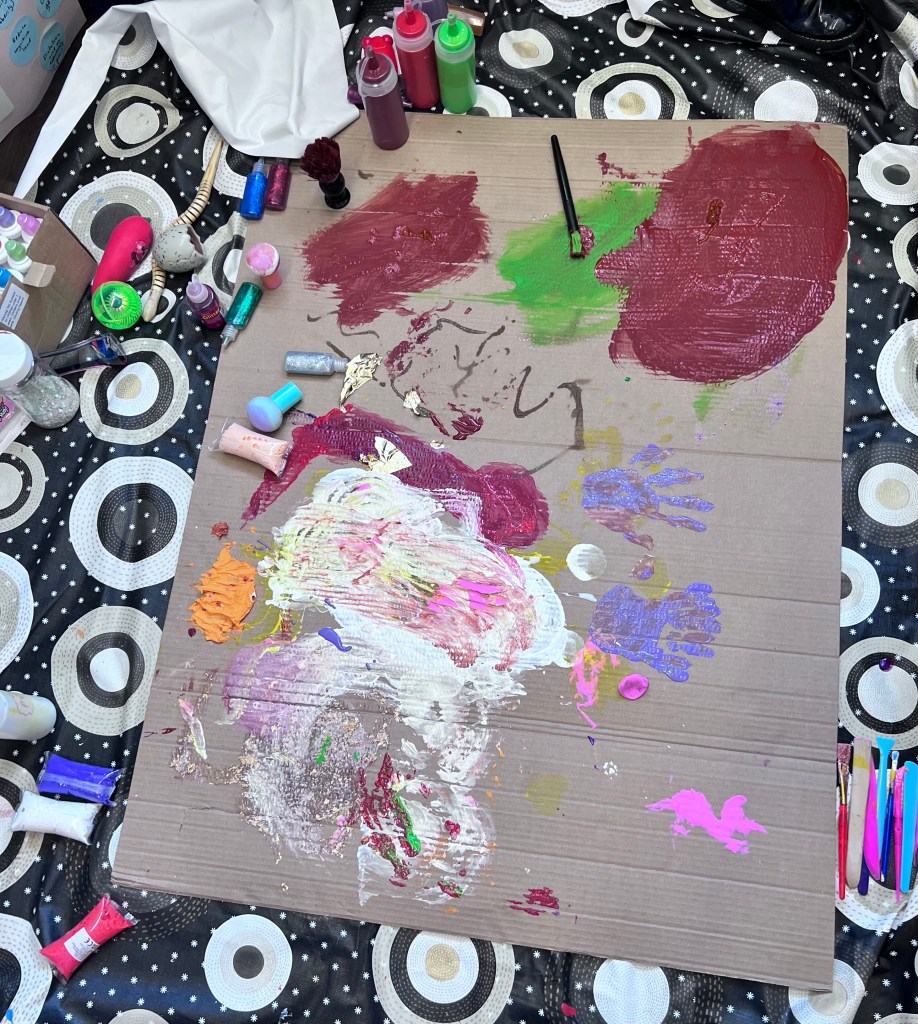
Art Therapy
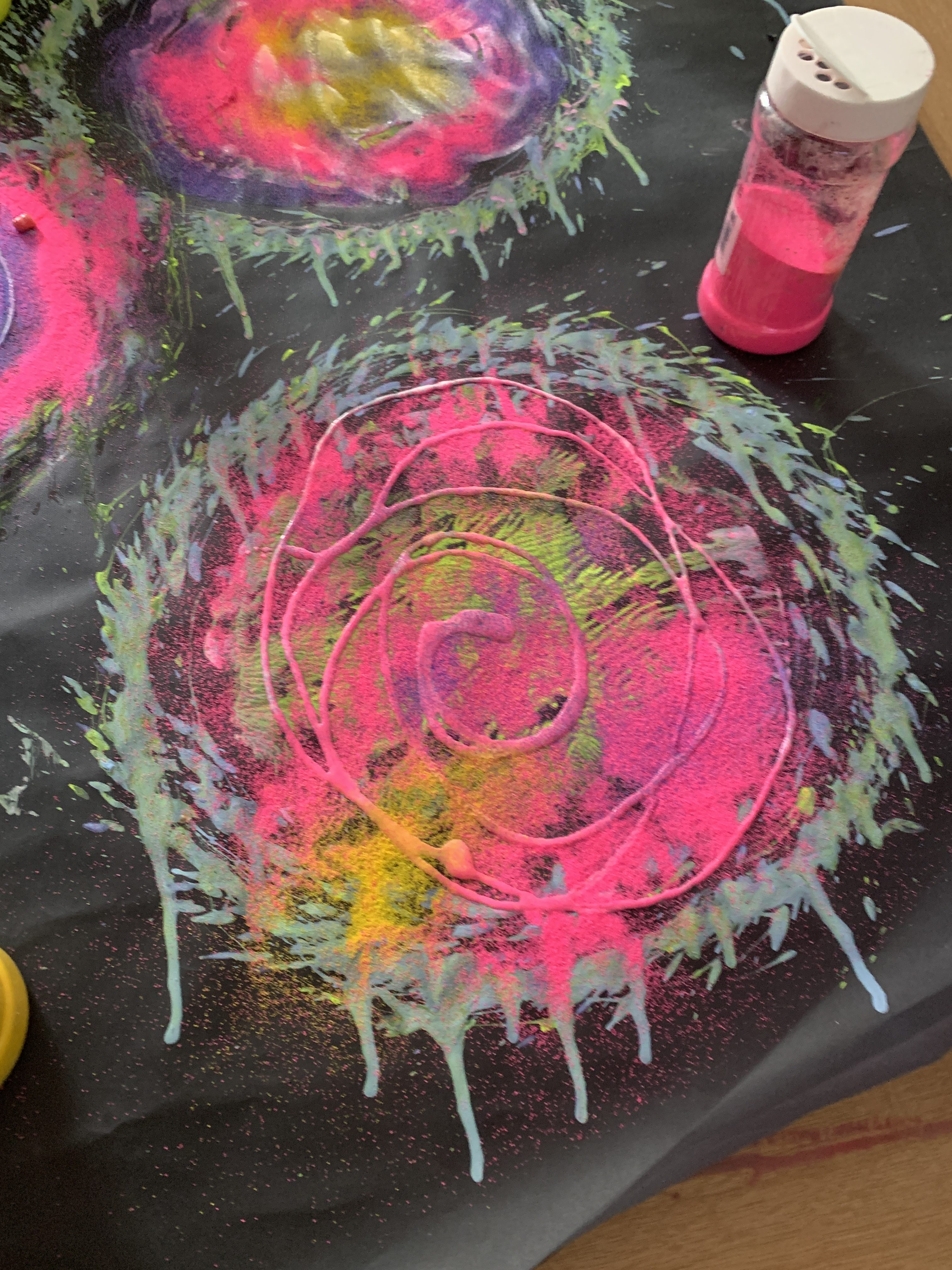
paint, glitter,
glue and pastels.
Mapping inner landscapes